The Best of Us

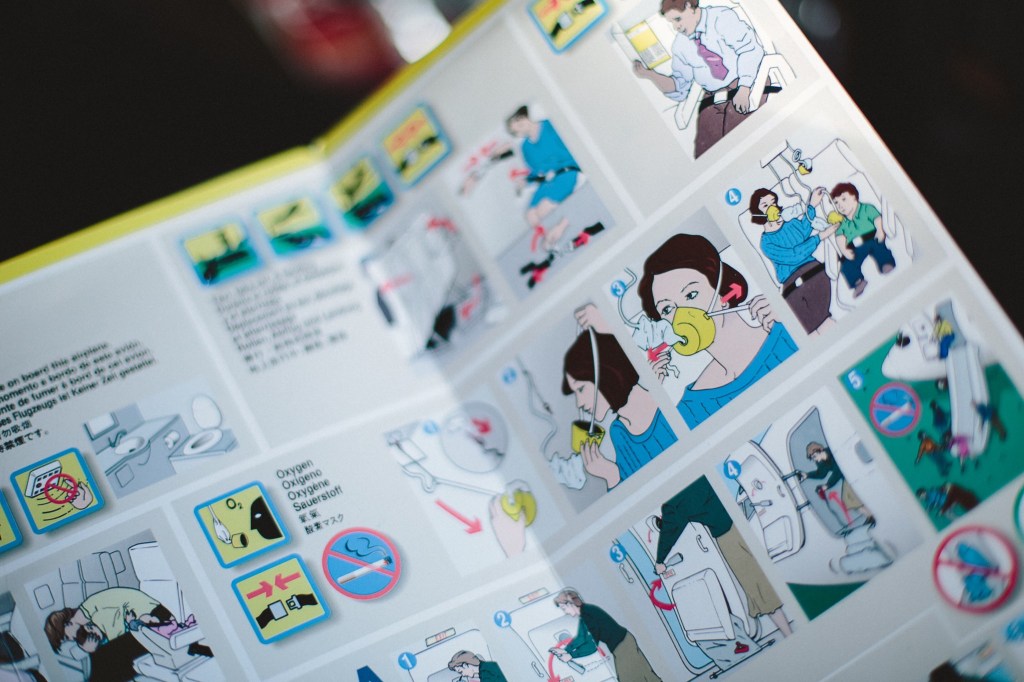
When an airplane is crashing and the oxygen masks are deployed from the overhead compartments, passengers are instructed to first administer the oxygen mask to themselves before assisting loved ones around them.
Of all the titles we wear, the role of caretaker we take most seriously. So it’s no wonder that the airlines’ directive goes against our reasoning. Our instinct tell us to instead save our loved ones first and then tend to our own needs. Whether caring for children, a spouse, or an elderly relative, we generally make great self sacrifices with the mindset that our loved ones will need the oxygen first, and we are stronger and can survive longer without it. We sacrifice our wellbeing because we believe it helps them.
In our attempt to protect those around us, we ironically do our loved ones AND ourselves a disservice when we help them first. It’s not selfish to put the mask on first. It is self preservation. If we can’t be at our best, the loved ones around us are left with our second best. Given their reliance on us to provide for them and protect them, our second best means that they suffer, too.
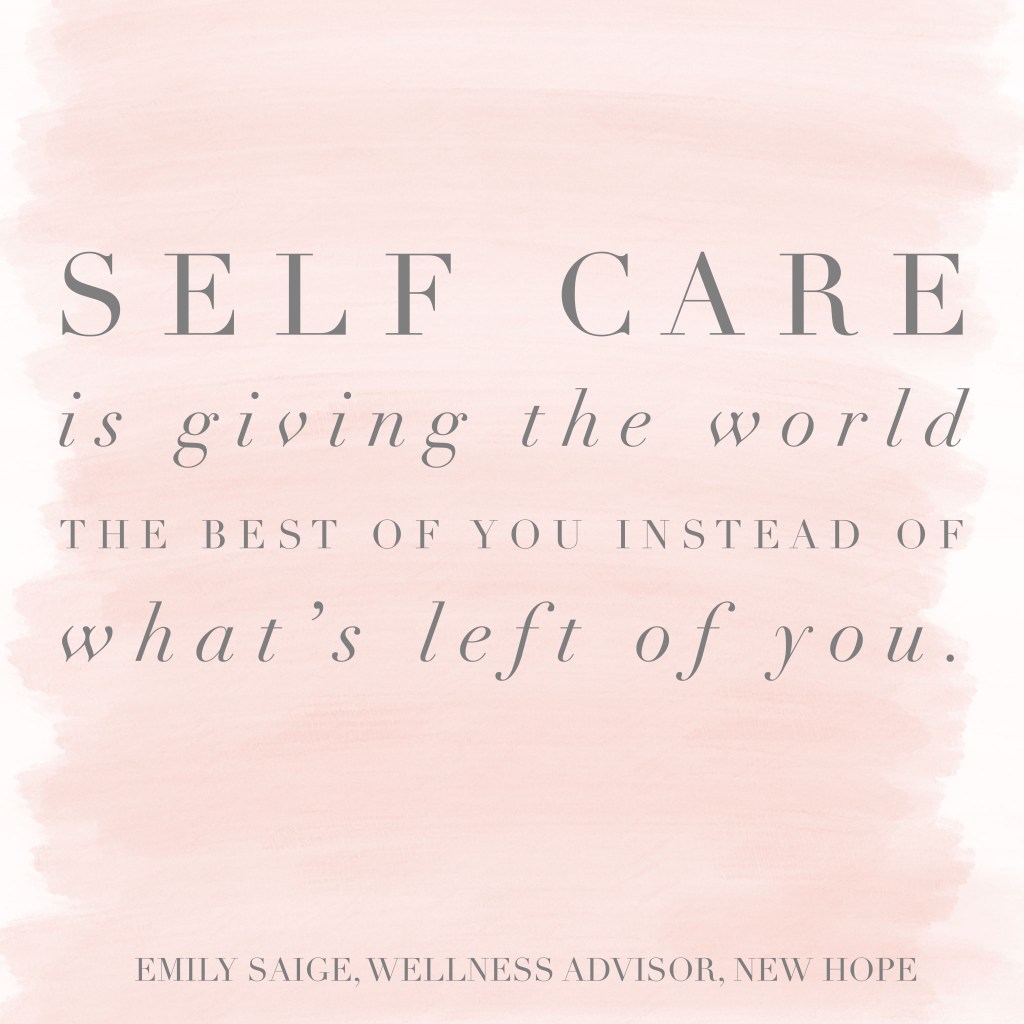
Sometimes being the hero means putting on the oxygen mask first. In terms of self care, this means allowing time for yourself when you feel overwhelmed, when you feel as if your flight is crashing. Practice mindfulness, read a book , take a walk, take a hot steaming shower or bath, sip a cup of coffee, walk aimlessly through Target with no one around you. Allow yourself silence. Allow yourself to breathe. Put the oxygen mask on yourself. Self care is giving the world the best of you instead of what’s left of you.

Faith Based Wellness Advisor in New Hope, PA Be Well. Follow @

Refuge

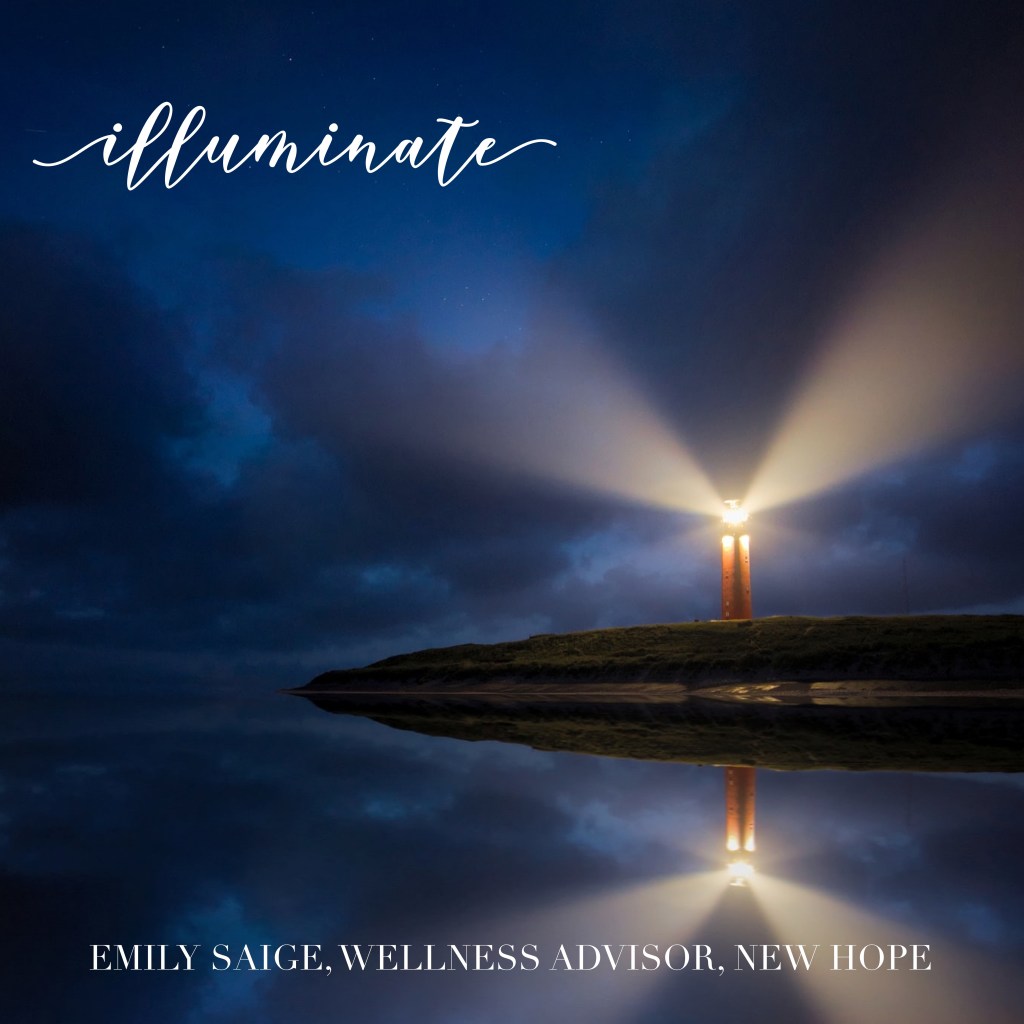
I’ve always been fascinated by lighthouses. One of our family pets, Bodie, was even named after one. Lighthouses are built to withstand the repeated force of high forced winds, situated along the rocky shores, on the coasts of busy harbors, or over dangerous underlying reefs. Through dangerous storms that wash others out to sea, lighthouses remain standing, offering beacons of hope to those lost at sea and seeking refuge. The beam of concentrated light projected out from the lighthouse achieves it’s effect through the use of special lenses. This highly increased intensity allows the beam of light to travel a very long distance to reach distressed ships miles away.

Thinking figuratively about your own inner light, do you project hope for others? Are you a refuge like the lighthouse, a beacon of hope as others seek safety from their personal storms, or are you the bigger storm, the surge that tries to pull the lighthouse down with you? When others are lost, do you offer them light? Mehmet Murat Ildan once wrote that “a lighthouse is not interested in who gets its light! It just gives it without thinking! Giving light is its nature!” Are you a light giver?

I’d like to think that at certain times in our lives we are both. Sometimes in our lives we are the storm. Of course we don’t mean to be, but life can feel like one wave after the other and we find ourselves lost in our own personal storm, seeking to preserve ourselves by grasping on to anything we can around us. Our attempts to seek refuge literally drown those around us who are trying to help. At other times, we are the light, reaching out to those in despair and offering a path to safety.

Just like the waves ebb and flow, so to do our roles. Our personal scars become lighthouses for others who are headed toward the same dangers we once navigated. Believe me, I know it is easier to say “be the light!” when you yourself aren’t drowning. If you can be the light and illuminate yourself for others, then be the light; but, if you’re lost at sea with waves of doubt and worry around you, just know the light of hope always shines, you may just have to swim a little to find it.

Faith Based Wellness Advisor in New Hope. To learn more visit Facebook or Instagram and search for @bewellnewhope